November 4, 2026
Commercial vehicle wraps offer businesses a practical way to increase brand visibility while traveling between job sites, meeting customers, or completing daily deliveries. Despite their marketing potential, misconceptions about cost, durability, and design flexibility can prevent business owners from considering this advertising option. Understanding how vehicle wraps work can help companies determine whether they align with their promotional goals and budgets.
With the right materials, professional installation, and thoughtful design, wrapped vehicles can serve as effective advertising assets while maintaining a polished appearance. Separating common myths from the facts makes it easier to evaluate their benefits and make informed marketing decisions.
Myth 1: Vehicle Wraps for Businesses Are Too Expensive
Understanding the Long-Term Marketing Value
One common misconception is that commercial vehicle wraps require an excessive financial investment. Although the initial expense can vary depending on the vehicle's size, coverage, and design complexity, the cost should be evaluated alongside the potential advertising exposure. Unlike many promotional campaigns that require recurring payments, a professionally installed wrap can continue displaying a company's branding throughout its useful life without ongoing media placement fees.
According to WorldMetrics.org, more than 60% of businesses in the United States use vehicle wraps as part of their marketing strategies. This adoption reflects the role that vehicle graphics can play in a broader promotional plan. For companies seeking additional visibility without committing to recurring advertising expenses, wrapping an existing work vehicle can turn routine transportation into a marketing opportunity.
Comparing Wraps With Traditional Advertising
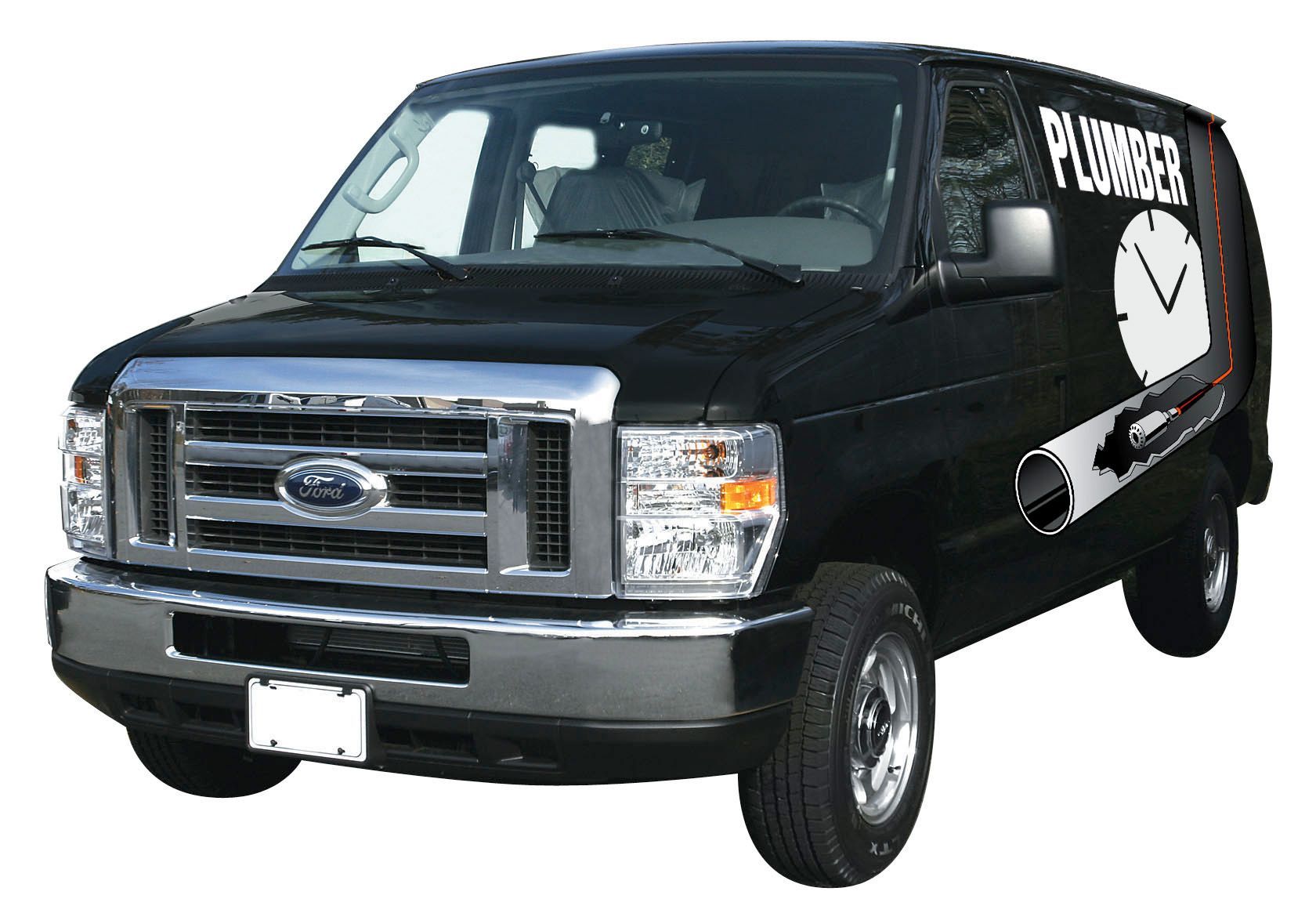
Traditional advertising methods, including billboards, print placements, and paid digital campaigns, often involve recurring costs to maintain exposure. Commercial vehicle wraps offer a different approach by placing a company's name, logo, contact information, and services directly on vehicles already used for daily operations. Each trip creates another opportunity for potential customers to encounter the brand, whether the vehicle is parked at a job site or traveling along a busy road.
Choosing Coverage That Fits Your Budget
Another misconception is that effective vehicle advertising requires covering every exterior panel. In reality, businesses can select full wraps, partial wraps, fleet graphics, or vinyl lettering based on their goals and available budgets. A partial design can emphasize a logo, phone number, and core services without covering the entire vehicle, while a full wrap offers more space for distinctive colors and larger visual elements.
Commercial vehicle wraps can also accommodate different vehicle types, including vans, trucks, box trucks, trailers, and specialty fleet vehicles. Business owners can prioritize the vehicles that receive the most public exposure and expand their branding efforts as their budgets allow. This flexibility makes it possible to develop a practical advertising plan without assuming every vehicle needs the same level of coverage.
Myth 2: Vehicle Wraps Damage Paint and Do Not Last
Protecting the Original Vehicle Finish
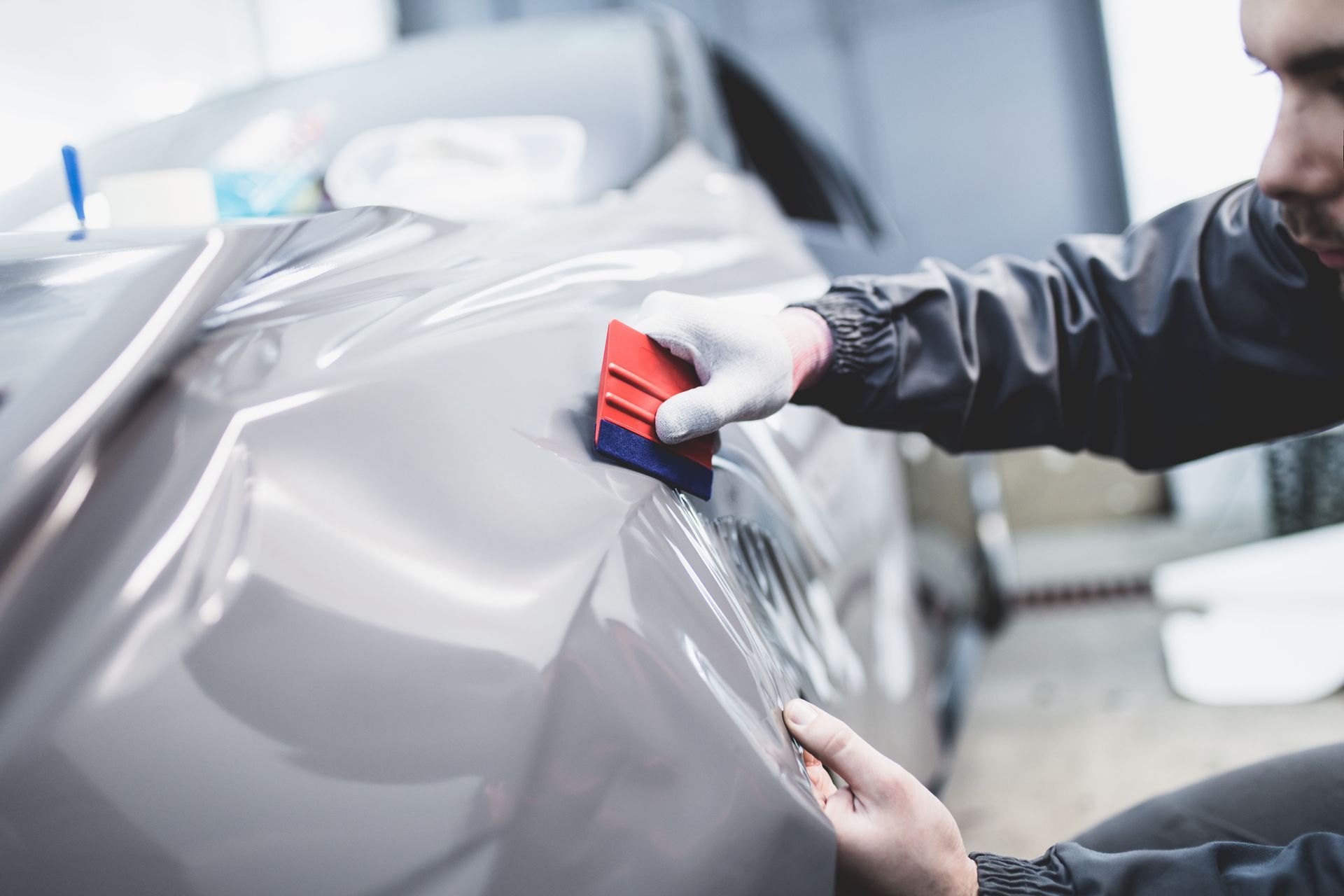
Some business owners avoid wrapping their vehicles because they believe adhesive vinyl will damage the original paint. However, a professionally installed wrap can be removed without harming a properly maintained factory finish when suitable materials and removal techniques are used. In addition to displaying promotional graphics, vinyl can provide a protective barrier against ultraviolet exposure, minor scratches, and everyday surface abrasions.
The condition of the vehicle matters when determining whether wrapping is appropriate. Paint that is peeling, severely damaged, or poorly bonded to the underlying surface may not respond well to installation or removal. A professional assessment can identify potential concerns before work begins, helping owners understand whether surface preparation or repairs are necessary. Reviewing the vehicle's condition beforehand helps establish realistic expectations for both appearance and protection.
Separating Durability Myths From Reality
Another persistent belief is that vehicle graphics quickly fade, peel, or lose their professional appearance. In practice, wrap longevity depends on several factors, including vinyl quality, installation methods, environmental exposure, and routine maintenance. A professionally installed wrap made from quality materials can typically last five to seven years with proper care, although individual results vary.
Maintaining Appearance Through Proper Care
Vehicle owners sometimes assume that wrapped surfaces require complicated maintenance. Fortunately, keeping a wrap clean generally involves straightforward practices. Washing the vehicle by hand with mild soap and water helps remove dirt without exposing the vinyl to unnecessarily abrasive cleaning methods. Drying the surface with a soft microfiber cloth can also help maintain its finish.
Avoiding abrasive brushes, harsh chemicals, and high-pressure spray directed at vinyl edges can help preserve adhesion and appearance. Parking in shaded areas when practical may reduce prolonged sun exposure, while addressing minor damage promptly can prevent further deterioration. These simple habits help businesses maintain consistent branding and get more useful service from their investment.
Myth 3: Vehicle Wraps Limit Branding and Design Options
Creating Designs That Reflect Your Brand
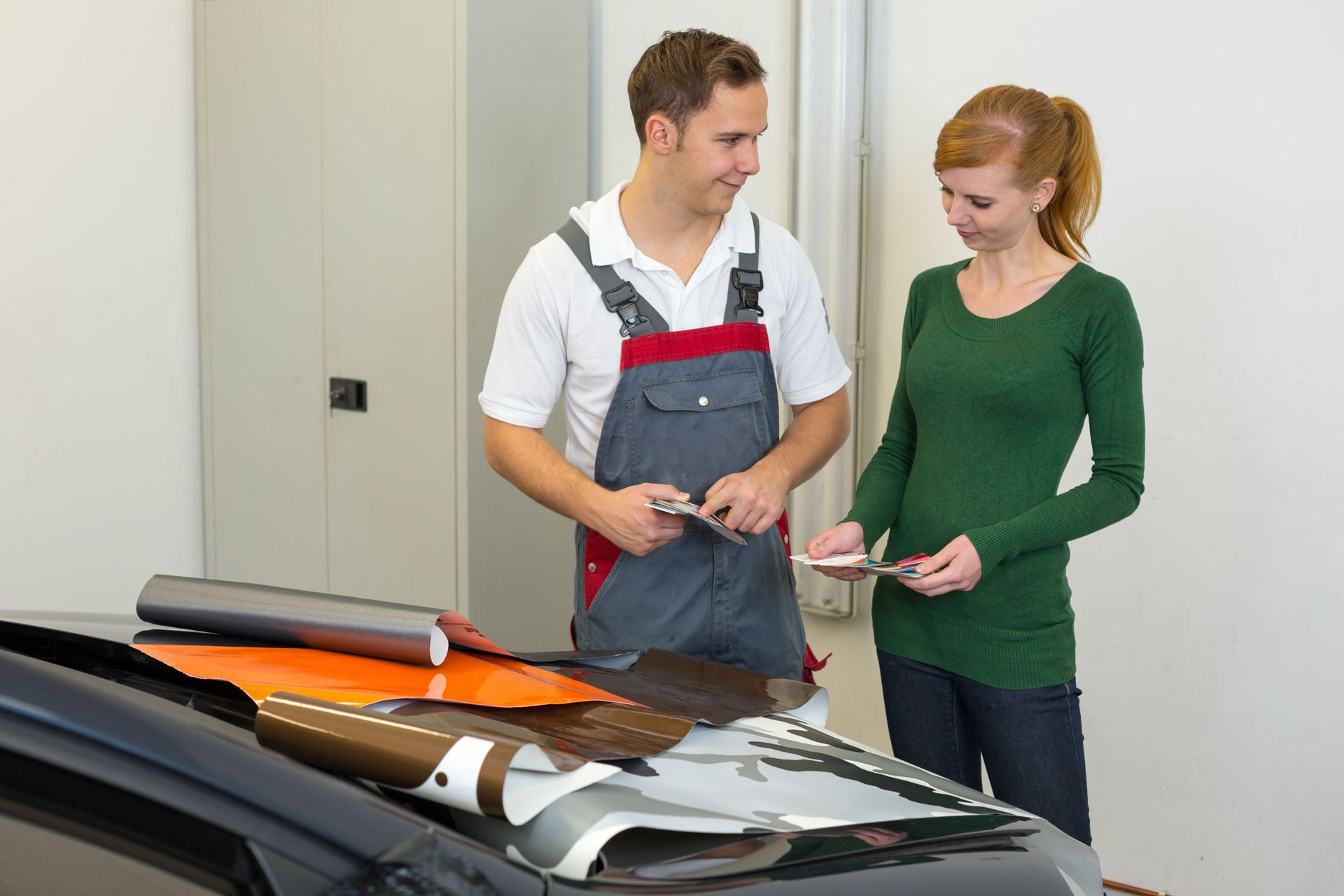
A third misconception is that vehicle graphics offer limited creative flexibility or make every company vehicle look alike. In reality, custom designs can incorporate brand colors, logos, typography, service descriptions, and other visual elements that distinguish a business from competitors. Companies can choose understated graphics for a clean, professional appearance or more extensive designs that make their vehicles immediately recognizable.
Commercial vehicle wraps can be tailored to different body shapes, surface dimensions, and branding requirements. Designers must account for curves, doors, windows, handles, and other vehicle features when arranging artwork. Careful planning helps prevent important information from becoming obscured and ensures that the finished design works with the vehicle rather than appearing awkwardly placed.
Making Advertising Clear and Memorable
Although creative freedom is valuable, an effective wrap requires more than attractive graphics. Drivers and pedestrians often have only a few seconds to notice a passing vehicle, so the most important information should be easy to identify. A recognizable logo, concise service description, and readable contact information can help viewers understand what the business offers without requiring them to study the design.
Building Consistency Across a Commercial Fleet
Some owners believe custom graphics are practical only for individual vehicles, but fleet branding can accommodate businesses with multiple vehicles and varied transportation needs. A coordinated design system can use consistent colors, logos, and typography across vans, trucks, trailers, and other fleet vehicles. This approach creates a recognizable visual identity even when the vehicles differ in size and shape.
Commercial vehicle wraps also allow businesses to adjust designs for specific services or departments while preserving core brand elements. For example, a company can maintain a consistent logo and color scheme while using different supporting messages on vehicles assigned to different teams. Coordinating artwork and installation schedules helps maintain a professional appearance across the fleet, reinforcing brand recognition wherever employees travel.
Commercial vehicle wraps can provide lasting promotional value, protect suitable vehicle finishes, and support a wide range of branding strategies. Misconceptions about cost, durability, and creative limitations often overlook the flexibility of available designs and the importance of professional installation and maintenance. Evaluating these factors helps business owners determine which wrapping options best support their marketing objectives.
A well-planned wrap transforms an everyday business vehicle into a recognizable advertising asset. By choosing appropriate materials, prioritizing clear messaging, and maintaining the finished graphics, companies can make their vehicles a more effective part of their marketing efforts. Be sure to contact Wrap City Graphics to discuss your branding goals and develop a customized vehicle wrap solution for your business!