July 5, 2026
In recent years, vehicle wraps have surged in popularity as a dynamic alternative to traditional paint jobs. Their ability to transform the aesthetic of any vehicle, coupled with their expansive advertising potential, makes them an appealing choice for many. Understanding the lifespan and durability of a professional vehicle wrap install is critical for maximizing its benefits and ensuring a worthwhile investment. By exploring the nuances of vehicle wraps, consumers can make informed decisions on their applications.
Understanding Vehicle Wraps
What Is a Vehicle Wrap?
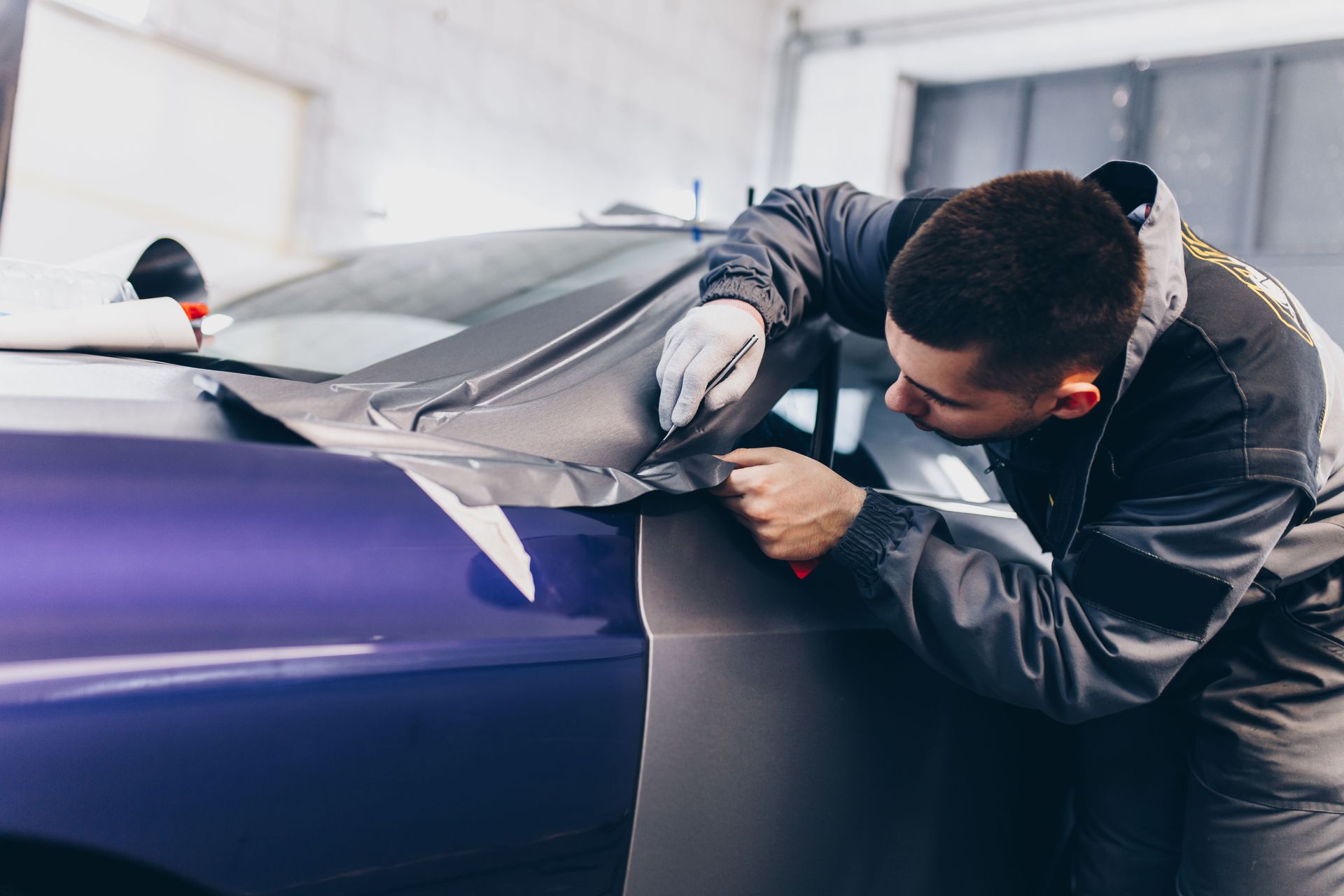
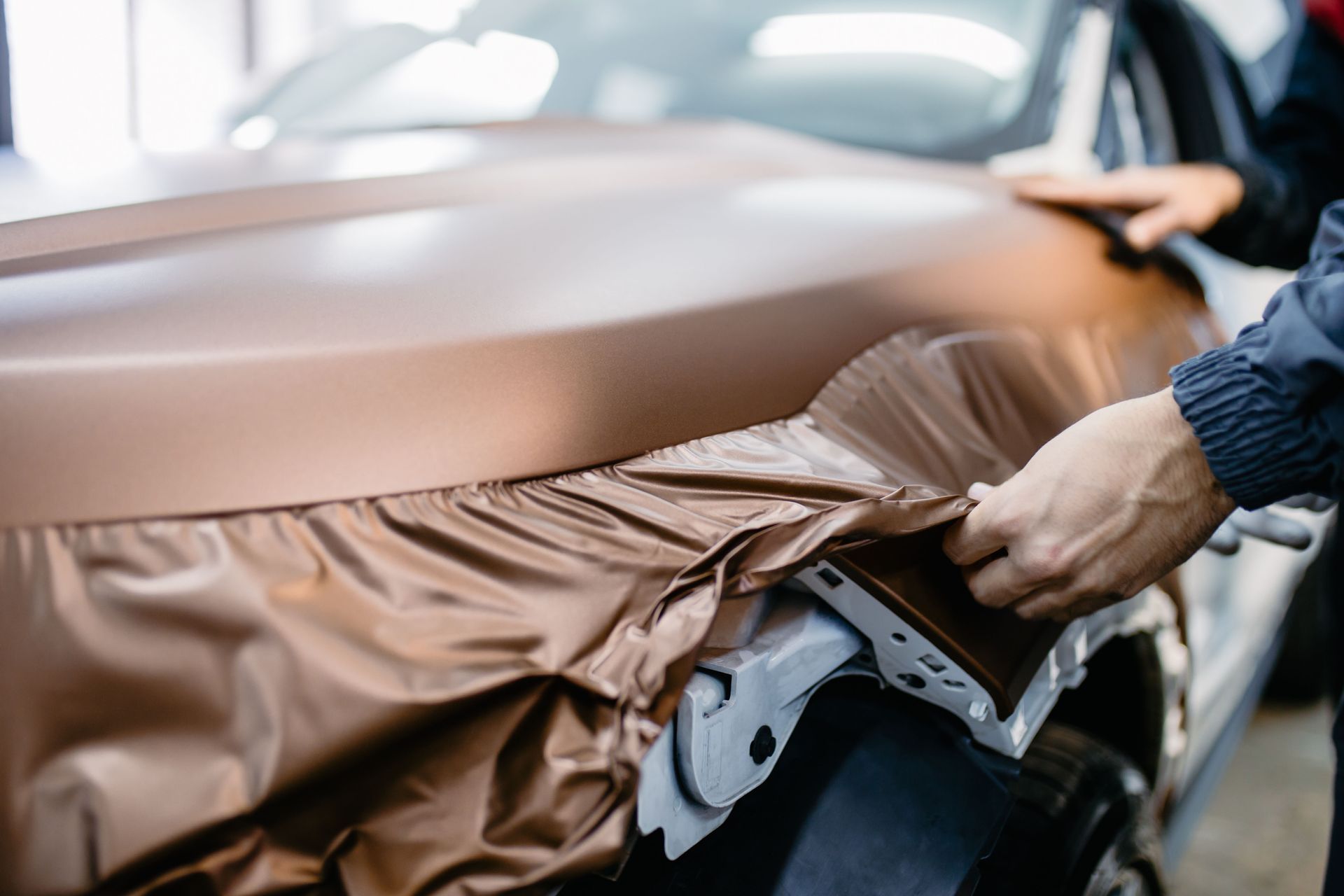
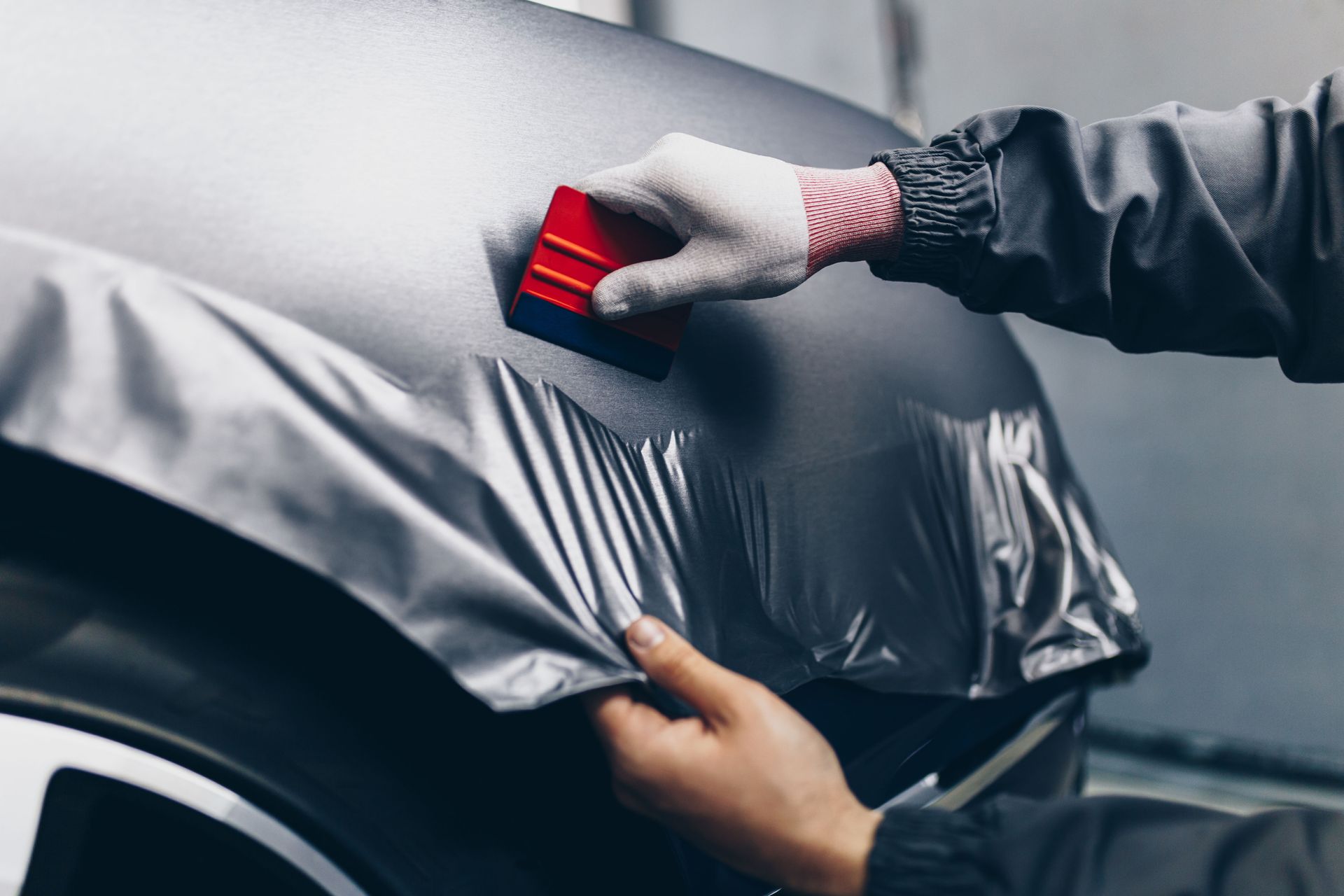
A vehicle wrap is essentially a large vinyl graphic or decal applied to the exterior of a vehicle. Unlike a traditional paint job, a wrap can be removed at any time, providing versatility and ease for updates. The film adheres to all parts of the vehicle's surface during a vehicle wrap install, resulting in a seamless and professional finish.
Vehicle wraps are not permanent, which offers flexibility for brand updates or personal preferences. They can be customized to any design, making them a popular option for both personal use and marketing purposes.
Types of Vehicle Wraps
There are primarily three types of vehicle wraps: full wraps, partial wraps, and decals. Full wraps cover the entire surface of the vehicle, while partial wraps cover only specific sections, usually to highlight company logos or specific designs. Decals, on the other hand, are smaller graphics or stickers applied to the vehicle. The choice of wrap type depends largely on the intended use and budget. Each type varies in coverage and impact but offers a unique way to personalize or advertise using a vehicle.
Materials Used in Vehicle Wraps
Vehicle wraps are typically made from high-quality vinyl material, which is favored for its durability and flexibility. The vinyl used is often treated with a special laminate coating that protects the print from UV rays and weather-related wear. In recent advancements, some manufacturers are incorporating eco-friendly materials that minimize environmental impact.
Whether matte, gloss, or satin, the material choice selected for your vehicle wrap install can significantly impact the wrap's appearance and longevity. Factors such as texture and finishes play crucial roles in creating the desired aesthetic and ensuring robust protection.
Benefits of Using Vehicle Wraps
Vehicle wraps offer a multitude of benefits, making them a cost-effective choice for branding and personalization. Notably, wraps provide a layer of protection against minor abrasions and UV damage, preserving the original paintwork.
They're an efficient advertising tool, especially given that moving transit and street-level placements account for 74% of outdoor advertising views, according to Gitnux. Moreover, wraps are easy to apply and remove, allowing businesses to update their branding as needed without significant expense. Finally, they provide vehicle owners with an opportunity to express personal style through customizable designs.
Typical Lifespan of Vehicle Wraps
Expected Duration Under Normal Conditions
Under normal conditions, a standard vehicle wrap install typically lasts between three and five years. This time frame largely depends on factors such as exposure to environmental elements and routine maintenance practices.
Regular cleaning and protection from harsh conditions can help extend a wrap's lifespan. It's important to note that worn-out areas and edges can be repaired or replaced to maintain an overall fresh appearance. As vehicle graphics endure the rigors of everyday use, their longevity is a testament to material quality and care practices.
Comparison With Paint Jobs
While traditional paint jobs can last significantly longer, often more than a decade with proper care, they require much more initial investment compared to vehicle wraps. Paint jobs offer a permanent color solution, but they don't provide the same versatility as wraps and cannot be easily reversed.
Vinyl wraps, though less durable, allow easy updates or redesigns, offering a level of flexibility not available with paint. Maintenance for wraps may involve more regular touch-ups or section replacement, but can be less cumbersome than dealing with paint chips. Consequently, the choice between wrapping and painting depends on one's priorities for customization and long-term investment.
Manufacturer Guarantees and Warranties
Many manufacturers offer guarantees and warranties on their vehicle wrap products, reflecting confidence in their durability under reasonable conditions. These warranties typically cover defects in materials and workmanship, but they do not extend to damage caused by improper maintenance or external conditions.
As consumer awareness grows, manufacturers are increasing warranty lengths, which can reach up to seven years for certain high-quality wraps. It is crucial for purchasers to review warranty details, as coverage can vary substantially between manufacturers. Understanding these terms provides insight into potential costs and serves as a guide for proper care and expected performance.
Signs of Wear and Aging
With time, an older vehicle wrap install may exhibit signs of wear such as color fading, peeling edges, and surface scratches. Exposure to sunlight, severe weather, and road debris can accelerate aging, impacting the wrap's aesthetic and protective functions.
Routine inspection is essential to identify early signs of damage and perform necessary maintenance. By addressing minor wear promptly, vehicle owners can extend the life of their wraps significantly. Regular upkeep ensures both protective benefits and visual appeal are maintained over the wrap's lifespan.
Factors Influencing Expected Lifespan
Several factors influence how long a vehicle wrap will last, including environmental exposure, material quality, and installation proficiency. Frequent exposure to harsh weather, UV rays, and road chemicals can shorten a wrap's effective lifespan.
Conversely, high-quality materials and professional installation can enhance durability, ensuring the vehicle wrap install remains effective and vibrant longer. Routine maintenance and careful use are proactive measures to protect the investment in a vehicle wrap. Tailoring these factors to local conditions and usage habits can maximize both appeal and longevity.
Maintenance and Care for Maximizing Lifespan
Regular Cleaning Practices
Routine cleaning is fundamental to maintaining the appearance and integrity of a vehicle wrap. Gentle hand washing using non-abrasive cleaning solutions helps remove dirt and contaminants without damaging the wrap. High-pressure washers are generally not recommended, as they can uplift edges or seams where water can penetrate. Establishing a regular cleaning schedule contributes to both aesthetic appeal and adhesive longevity. Proper cleaning extends a wrap's life by keeping it free from elements that cause deterioration.
Importance of Using Proper Cleaning Products
Using appropriate cleaning products is essential for preserving the quality of vehicle wraps. Harsh chemicals and abrasive tools can damage the vinyl's protective layer, leading to color fading or material breakdown. Specialized cleaning solutions designed for vinyl use are recommended to protect the wrap without causing harm. Such products often contain additives to help repel dirt and water for easier maintenance. An informed choice of cleaning products helps maintain the wrap's vibrant look and durability over time.
Strategies for Protecting Against Abrasions
Protecting vehicle wraps against abrasions involves mindful driving and regular application of protective coatings. Avoiding abrasive road conditions or debris can prevent unnecessary scratches and abrasions on the surface of your vehicle wrap install. Nano coatings and protective films can be applied to guard against scratches while enhancing smoothness and gloss. These coatings also facilitate easier cleaning by reducing surface tension and dirt adherence. Protective measures ensure the wrap's original condition is preserved amidst daily wear and tear.
Frequency and Method for Inspections
Scheduled inspections allow for early detection and repair of minor wrap issues before they develop into significant problems. Looking for signs such as bubbling, lifting, or peeling at edges can identify areas in need of immediate attention. Performing these inspections after washing ensures contaminants don't mask potential issues. Keeping a consistent inspection routine helps manage maintenance costs by preventing extensive damage. Regular checks are integral to sustaining the protective and visual benefits of wraps over their lifespan.
Understanding the factors influencing vehicle wrap longevity and durability empowers consumers in decision-making. Attention to environmental impacts, a proper vehicle wrap install, and routine maintenance significantly contribute to maximizing the lifespan of vehicle wraps. Evolving technological advancements and sustainability trends offer promising developments in the industry, enhancing future wrap performance and eco-friendliness.
By employing recommended care practices, consumers can leverage the numerous benefits of vehicle wraps while maintaining aesthetic and functional integrity. Thoughtful consideration of these elements will ensure that wraps remain a valuable investment for various applications. Contact Wrap City Graphics today to learn more.