November 5, 2026
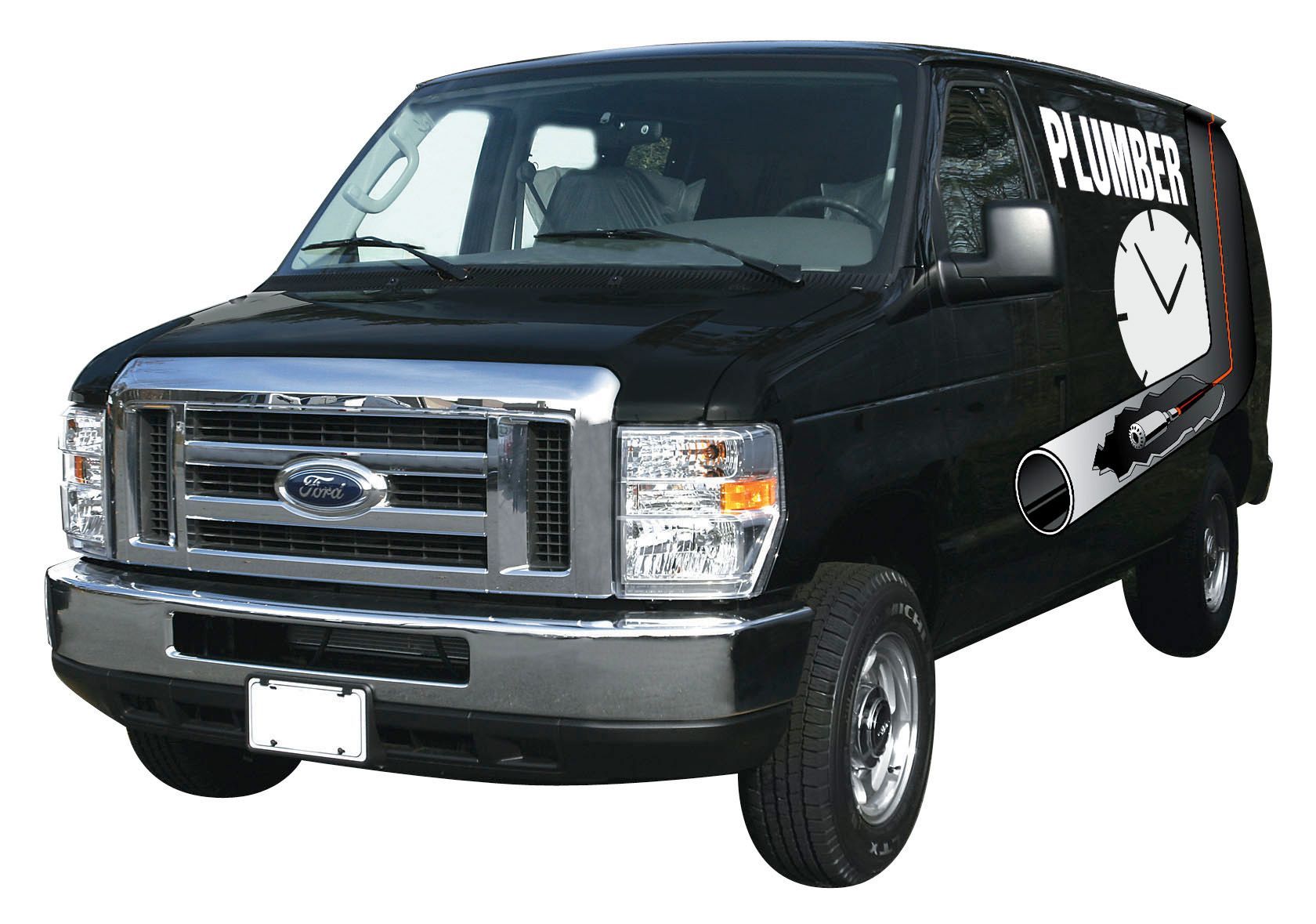
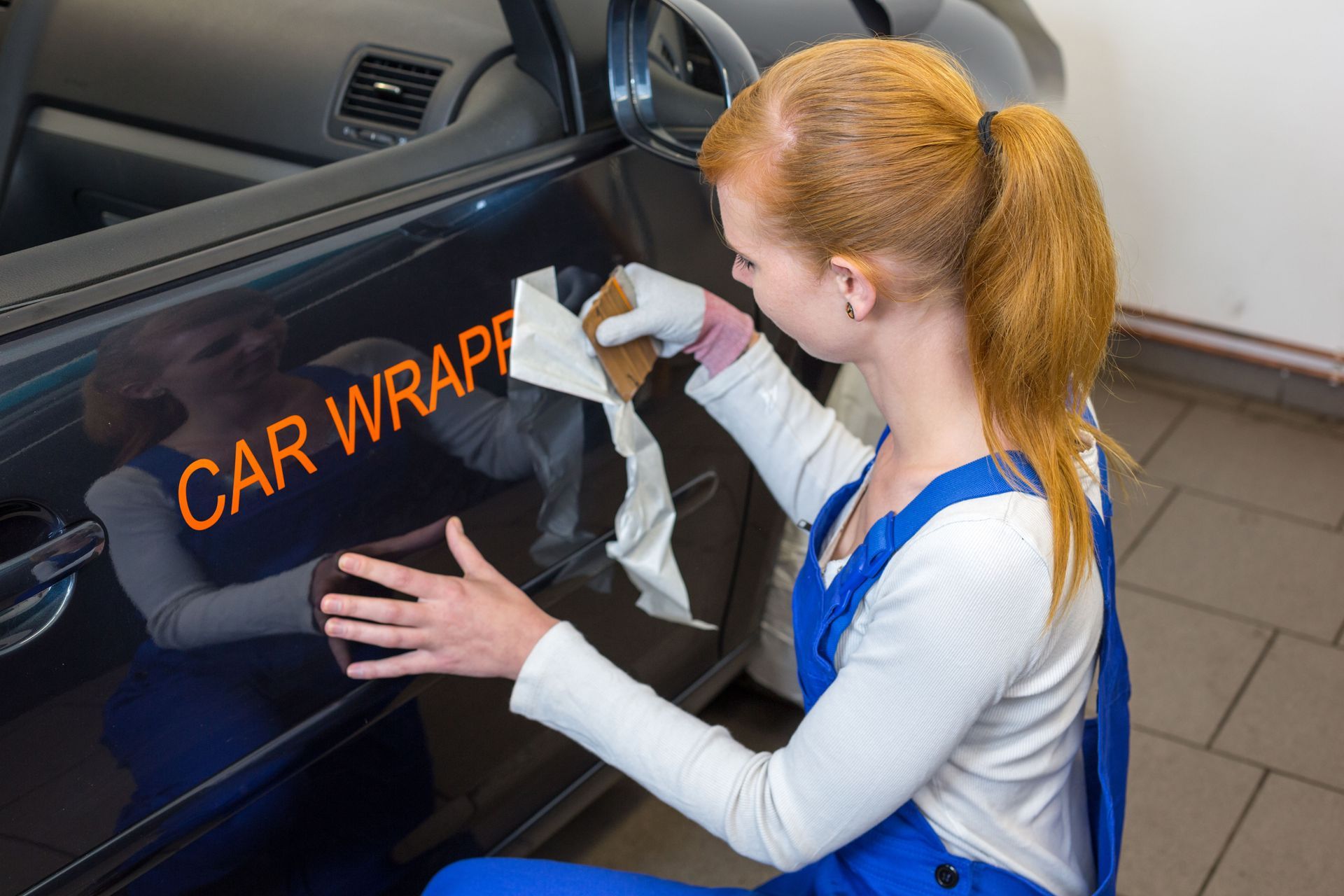
Investing in a premium cast vinyl wrap is one of the most effective ways to customize your ride, advertise a growing enterprise, and protect original factory paintwork. These eye-catching exterior films deliver striking visual depth, ranging from satin color transitions to bold commercial branding graphics. However, maintaining that immaculate showroom finish requires specialized maintenance techniques that differ significantly from caring for bare clear coats. Standard mechanical car washes and aggressive chemical washes can quickly degrade delicate edges, resulting in unsightly lifting, surface scratching, or irreversible film discoloration.
Establishing a meticulous cleaning routine guarantees that your vehicle retains its head-turning allure while safeguarding your automotive graphics investment. Everyday outdoor driving exposes vinyl surfaces to harsh environmental road films, including abrasive road salts, industrial pollution fallout, corrosive bird droppings, and sticky tree sap. Allowing these aggressive contaminants to bake into the vinyl structure initiates accelerated degradation and premature edge peeling. By implementing safe washing protocols, utilizing gentle tools, and understanding proper surface handling, you can keep your vehicle exterior looking flawless across thousands of open highway miles.
Understanding the Vulnerabilities of Vinyl
Custom exterior films rely on specialized cast polyvinyl chloride layers backed by pressure-sensitive acrylic adhesives that bond directly onto vehicle body contours. While these thin films exhibit impressive elasticity and resilient resistance against everyday atmospheric elements, they lack the dense, rock-hard mineral durability characteristic of baked ceramic automotive finishes. Road grime, fine silica sand, and environmental fallout can easily etch microscopic swirl scratches across gloss, satin, or matte film laminates when wiped with improper force. Recognizing that vinyl remains inherently softer than clear coat finishes is the foundation of long-term automotive maintenance.
Diligent preventative care also plays a decisive financial role in determining whether your aesthetic exterior investment achieves its maximum potential operational lifespan. According to LinkedIn, vinyl wrap can last around five years or more when maintained properly through consistent, gentle washing practices. Neglecting routine surface decontamination permits aggressive contaminants to compromise the top protective overlaminate, causing irreversible color fading, premature brittleness, and unsightly edge lifting. Implementing gentle, targeted wash procedures shields the underlying adhesive perimeter from premature failure, ensuring that your vehicle wrap continues to deliver immaculate curb appeal and reliable paint preservation throughout every season.
Selecting the Safest Cleaning Formulations
Selecting the correct car wash shampoo is a critical prerequisite before introducing any wash mitt to your car's exterior film. You should exclusively choose pH-balanced, non-abrasive automotive shampoos that contain zero harsh chemical solvents, heavy petroleum distillates, or abrasive carnauba compounds. Highly acidic road-grime removers or hyper-alkaline industrial degreasers break down plasticizers within the vinyl film, producing severe brittleness, micro-cracking, and hazy discoloration. Verifying that your chosen cleanser is explicitly rated safe for matte or gloss vinyl ensures dirt floats away freely without damaging delicate graphic seams.
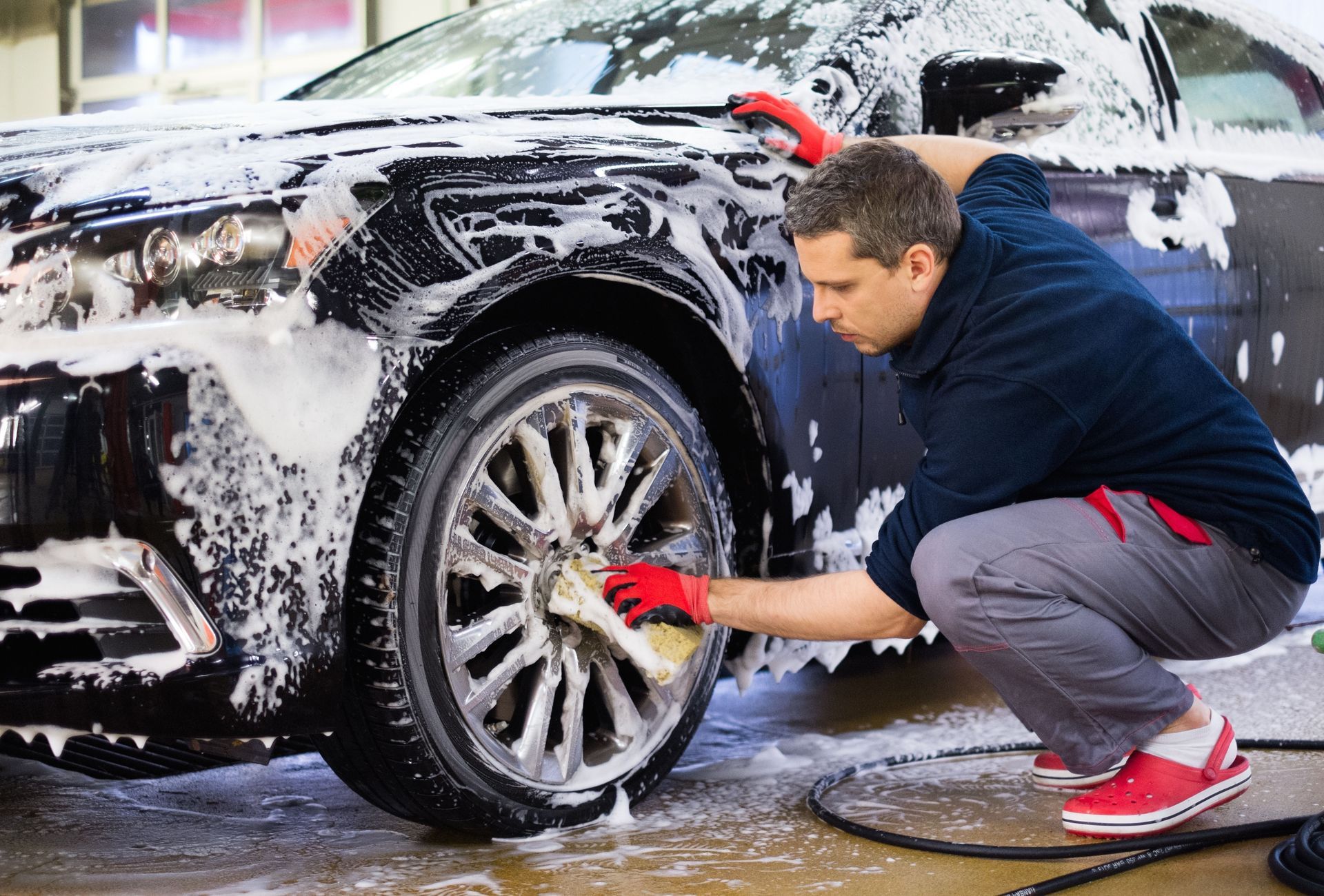
Pairing balanced automotive detergents with ultra-soft, lint-free microfiber wash tools is equally critical for preventing permanent spiderweb micro-scratches. Avoid stiff natural sponges, standard terrycloth towels, household brushes, and coarse wash mitts, as their rigid fibers readily trap sharp sand granules against the film surface. High-pile microfiber towels utilize split synthetic weaves that gently encapsulate loose grit, lifting dirt away from the vehicle wrap rather than dragging it across the finish. Investing in dedicated microfiber wash pads guarantees that every cleansing pass preserves high-gloss sheens, delicate satin lusters, and deep matte profiles without marring.
Mastering the Two-Bucket Hand Wash
The classic two-bucket hand washing technique remains the undisputed gold standard for safeguarding any premium vehicle wrap against wash-induced swirls. Fill one large bucket with your pH-balanced car wash soap mixture and a second dedicated bucket with clean, pure water equipped with a dirt-trapping grit guard. Immerse your microfiber mitt into the soapy solution, gently clean a small section of a panel, and immediately plunge the soiled mitt into the rinse bucket. Rubbing the mitt against the bottom grit guard releases trapped sand particles, preventing you from transferring contaminants back onto the car.
When working across wrapped panels, always wash using light, straight, overlapping passes rather than aggressive, circular scrubbing motions. Start from the highest horizontal surfaces—such as the roof and hood—and work systematically downward toward the lower rocker panels, which gather the heaviest road grime. Pay close attention around film seams, avoiding direct vertical friction against exterior edges to prevent accidental lifting. Once a section is thoroughly cleaned, rinse the soap away promptly using low water pressure, ensuring no detergent residue dries inside hidden body seams or along vinyl borders.
Navigating Advanced Pressure and Steam Methods
Homeowners who prefer utilizing commercial pressure washers must exercise extreme caution to avoid blowing apart sealed seams or puncturing vinyl surfaces. High-pressure water nozzles must always be adjusted to wide fan angles—never pencil-point stream configurations—and maintained below a maximum operating threshold of 2,000 pounds per square inch. Hold the spray tip at least twelve to eighteen inches away from body panels, directing the water fan perpendicularly rather than at shallow angles against edge lines. Blasting high-velocity water directly into an edge seam will instantly breach the underlying adhesive, resulting in widespread bubbling and panel failure.
Professional detailers occasionally utilize commercial dry steam machinery to soften stubborn road contaminants without flooding delicate engine bays or door jambs. When applying thermal steam, the nozzle must remain in continuous, fluid motion across the vehicle wrap to avoid concentrating excessive heat over a single location. Concentrated thermal energy softens vinyl plasticizers and weakens acrylic adhesives, inducing stretching, structural distortion, or localized gloss alteration across matte finishes. Utilizing certified automotive detailing specialists for advanced high-temperature procedures guarantees that embedded grime is removed thoroughly while fully safeguarding vulnerable graphics.
Preserving Long-Term Exterior Vibrancy
After completing the wash and thoroughly drying the exterior using ultra-plush microfiber drying towels, applying an approved protective layer is essential. Specialized synthetic spray sealants formulated specifically for vinyl wraps add microscopic UV inhibitors that defend rich printing pigments against harmful solar radiation. These ceramic-infused spray coatings impart hydrophobic properties, causing rainwater, highway road grime, and atmospheric soot to bead up and slide off panels effortlessly. Never apply conventional automotive paste waxes or abrasive rubbing compounds, as their petroleum bases and polishing abrasives permanently stain vinyl and ruin matte textures.
Long-term preservation also relies heavily on disciplined parking choices, proper overnight storage, and prompt spot decontamination routines between washes. Whenever possible, park your vehicle inside an enclosed residential garage or beneath a breathable car cover to mitigate exposure to industrial smog and intense ultraviolet radiation. Keep a bottle of wrap-safe quick-detailer and a clean microfiber cloth inside your trunk to safely eliminate corrosive bird droppings or tree sap the moment they appear. Adhering to these preventive care principles protects your custom vehicle wrap against accelerated weathering, ensuring your car turns heads everywhere you drive.
Maintaining the vibrant imagery, dynamic color depth, and smooth finish of an exterior automotive wrap is an achievable goal when you implement proper cleaning protocols. By avoiding automated brush tunnels, selecting pH-neutral formulas, embracing two-bucket hand washes, and shielding body panels from environmental hazards, you protect your custom vinyl investment from unnecessary deterioration. Gentle, disciplined care ensures your vehicle continues to make a bold personal or professional statement across every journey. When you are looking to revitalize your fleet or design an extraordinary new vehicle wrap that demands attention, connect with the certified fabrication experts at Wrap City Graphics.