April 7, 2026
Transforming your vehicle into a mobile billboard or a personalized work of art is an exciting venture that can significantly impact your business visibility or personal style. However, the quality of the finished product depends entirely on the expertise of the professional you choose to handle the job. While the market for vehicle customization is expanding rapidly, not every shop offers the same level of care and precision.
What Specific Vinyl Brands Do You Use for Your Projects?
The foundation of any great wrap is the material itself, as lower-grade vinyl can lead to premature peeling, fading, or even damage to your underlying paint. When researching local vehicle wraps, you should ask if the shop utilizes industry-standard brands like 3M, Avery Dennison, or Oracal. High-quality cast vinyl is designed specifically for the complex curves and recesses of modern vehicles, providing a smooth finish that looks like custom paint. A professional installer should be able to explain the benefits of the specific series they recommend for your particular vehicle type and usage. If a shop is vague about its suppliers or uses unbranded materials to cut costs, it is a significant red flag for the longevity of your project. Understanding the material grade ensures that your local vehicle wraps maintain their vibrant colors and structural integrity for years to come.
Can You Provide a Detailed Portfolio of Recent Work?
A portfolio is a visual resume that showcases the range and quality of an installer’s previous projects. When looking at local vehicle wraps, pay close attention to the details in the photos, such as the edges around door handles, mirrors, and bumpers. Look for seamless transitions and an absence of bubbles or wrinkles in difficult areas. A reputable shop will be proud to show off its craftsmanship and may even have physical vehicles on-site that you can inspect in person. This transparency allows you to gauge whether their aesthetic style aligns with what you want for your own car or truck.
What Are Your Professional Certifications and Training Backgrounds?
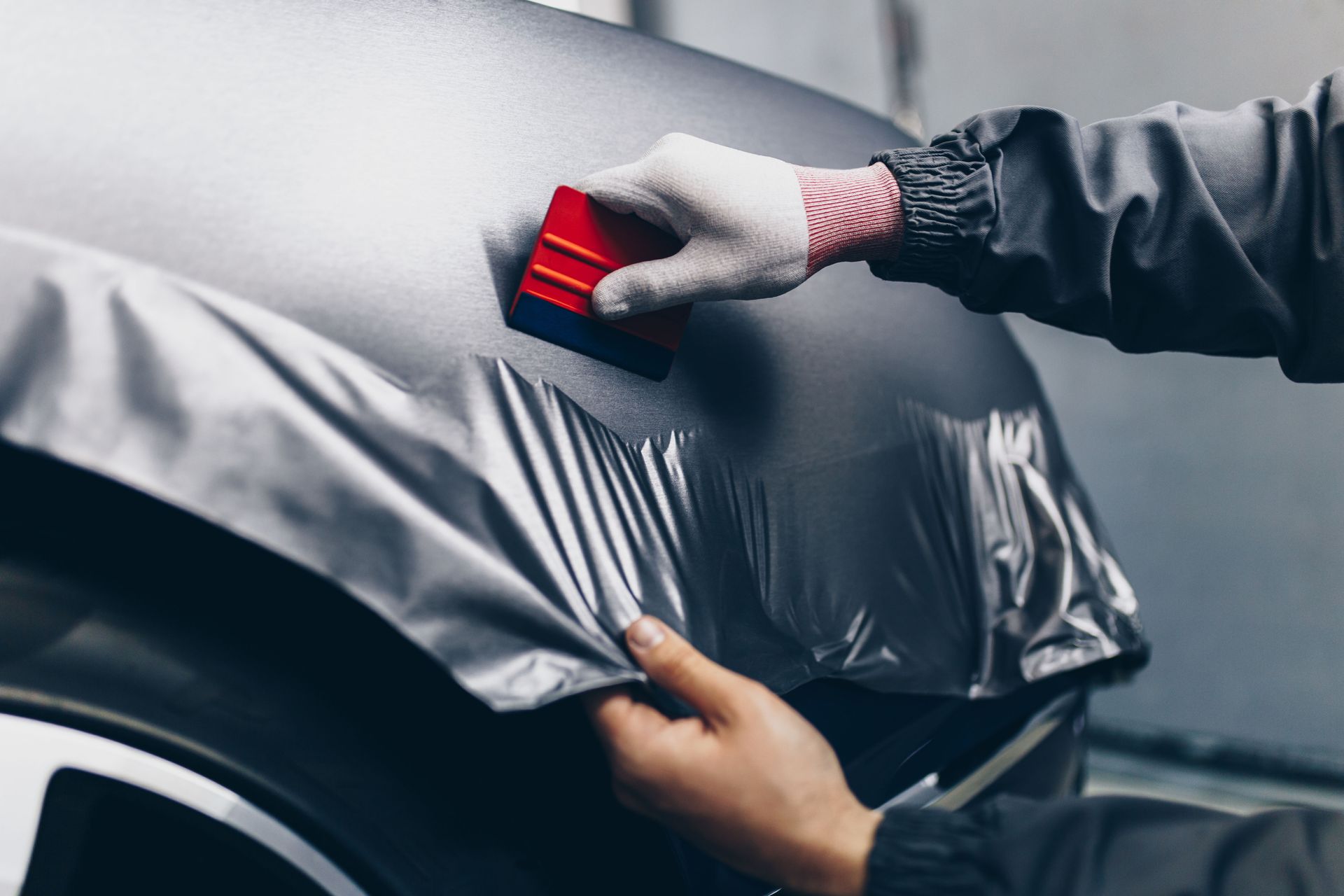
Experience is vital, but formal training and manufacturer certifications provide an extra layer of assurance that the installer follows industry-recognized procedures. Many top vinyl manufacturers offer certification programs that require installers to pass rigorous testing on their application techniques. When you are comparing options for local vehicle wraps, ask if the technicians have been trained by organizations like PDAA or have specific manufacturer endorsements. These credentials mean the installer is up to date on the latest tools and methods for heat management and adhesive activation. Choosing a certified team for your local vehicle wraps ensures that the person stretching vinyl over your hood knows exactly how much tension the material can handle without failing. This technical knowledge is what separates an amateurish-looking job from a professional masterpiece.
How Do You Handle the Surface Preparation Process?
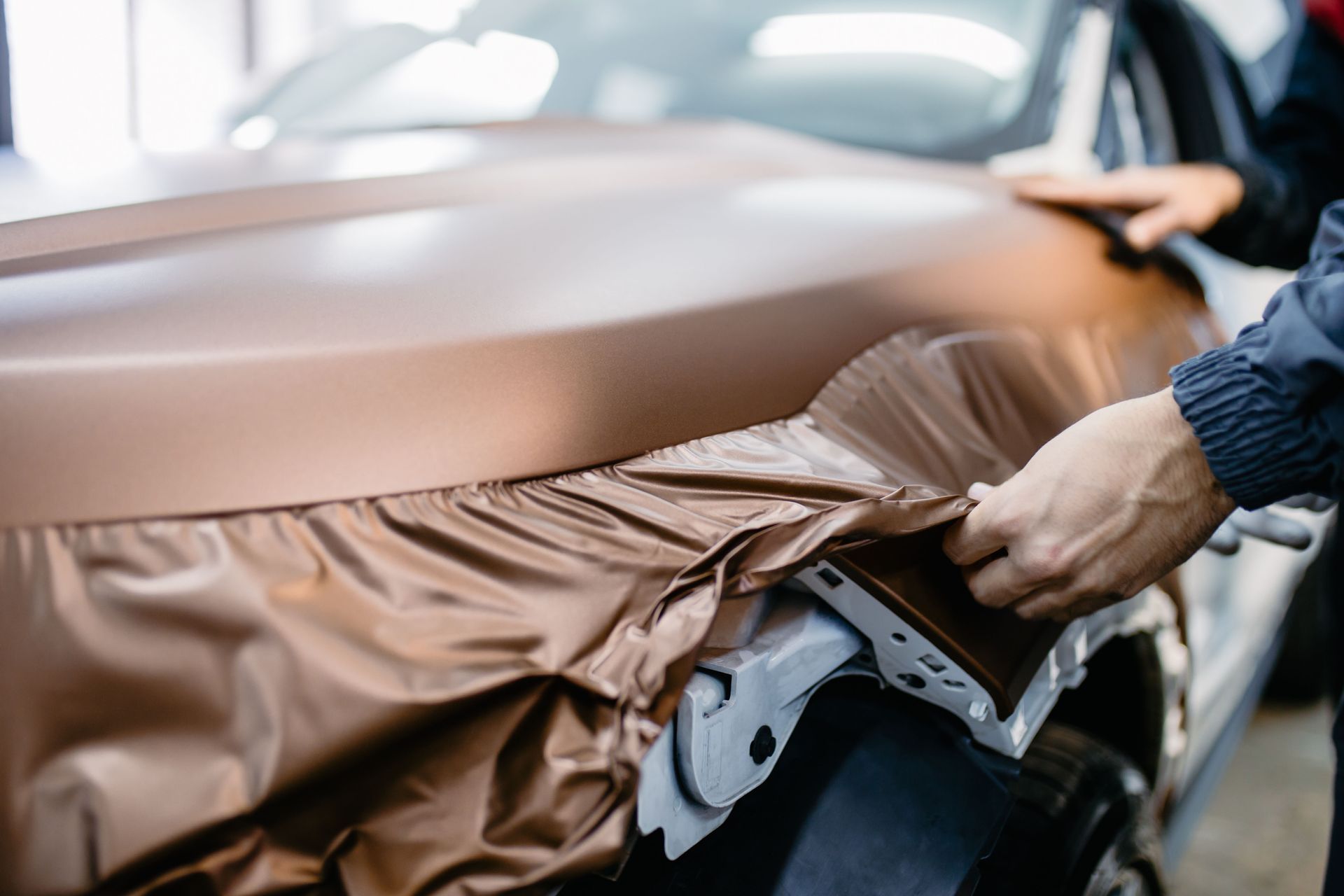
The secret to a long-lasting wrap is not just how it is put on, but how the vehicle is prepared beforehand. Any dirt, wax, or oil left on the paint will prevent the adhesive from bonding correctly, leading to lifting edges within weeks. Ask your provider of local vehicle wraps about their multi-stage cleaning process and whether they use specialized clay bars or isopropyl alcohol solutions. They should also inspect the paint for any existing chips or deep scratches that might show through the vinyl or cause issues during removal later. Proper preparation takes time and effort, but it is the most critical step in the entire installation workflow. When a shop prioritizes a clean environment for local vehicle wraps, they are demonstrating a commitment to quality that will save you from future headaches and repairs.
What Kind of Warranty Do You Offer on Labor and Materials?
A warranty is a shop’s way of standing behind their work and the products they sell. You should ask for a clear distinction between the manufacturer's warranty on the vinyl and the shop's warranty on the actual installation labor. Most high-end local vehicle wraps come with a material warranty that covers fading or cracking for several years, but this may not cover errors made during the application. A trustworthy installer will offer a separate labor warranty to address issues like lifting or bubbling that might appear shortly after you pick up the vehicle. Having this agreement in writing provides peace of mind that you are protected if something goes wrong.
What is the Estimated Timeline for a Full Installation?
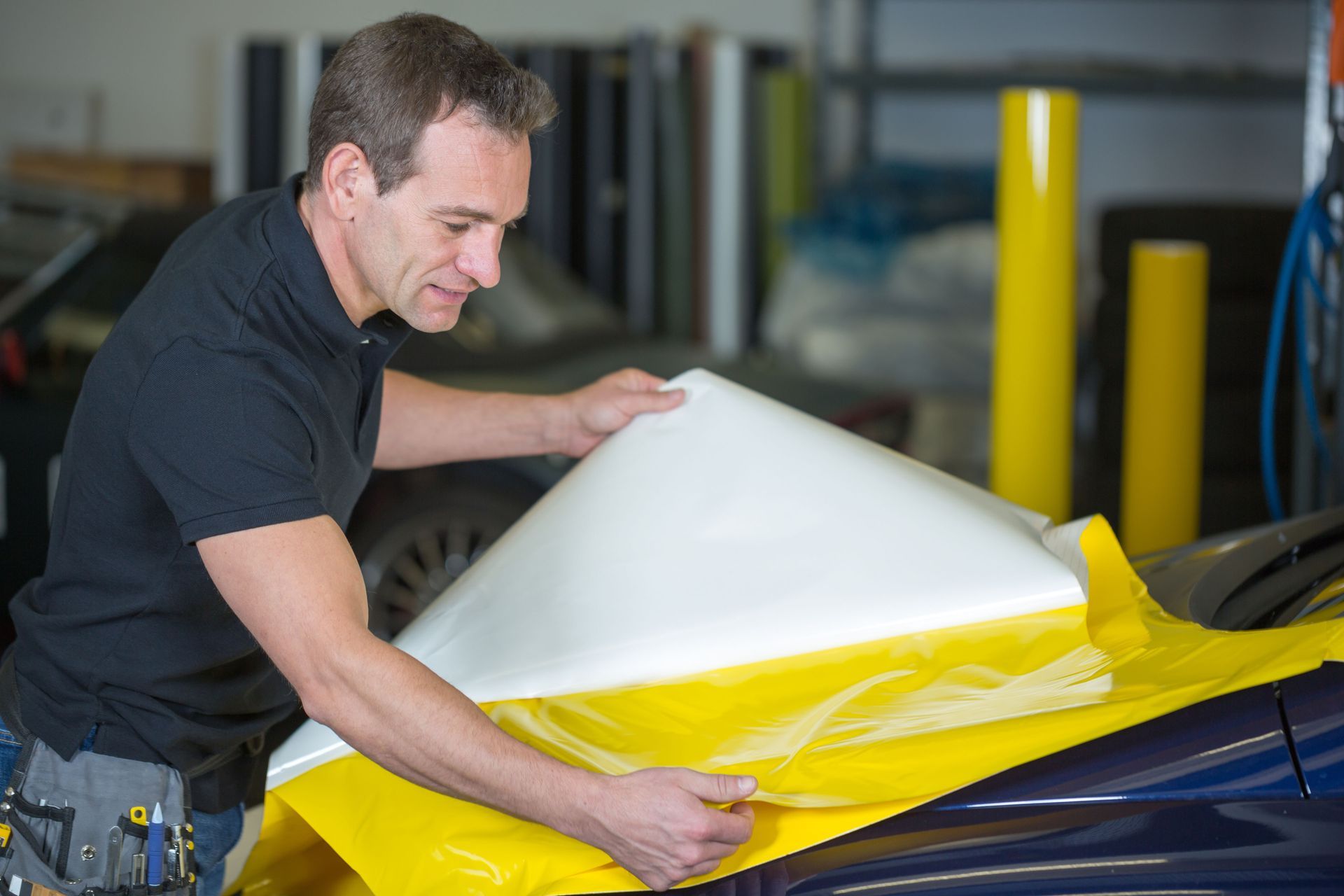
Patience is a virtue when it comes to high-quality vehicle graphics, as rushing the process often leads to mistakes. A full wrap typically takes several days to complete, including time for cleaning, disassembly of hardware, application, and post-heating. When discussing local vehicle wraps with an installer, ask for a realistic timeline that accounts for the complexity of your design and the size of the vehicle. According to Precedence Research, the U.S. automotive wrap films market size was estimated at USD 2.34 billion in 2024 and is predicted to be worth around USD 13.02 billion by 2034, at a CAGR of 18.72% from 2025 to 2034. This growth suggests that shops are becoming busier, so scheduling in advance is increasingly important. A shop that promises a full wrap in just a few hours might be cutting corners that will affect the final result of your local vehicle wraps.
Do You Disassemble Parts of the Vehicle During Installation?
To achieve a seamless look where the original paint is completely hidden, installers often need to remove items like taillights, emblems, door handles, and mirrors. This allows the vinyl to be tucked behind the hardware rather than cut around it, which creates a much cleaner and more durable edge. Ask your provider of local vehicle wraps if they have experience with the disassembly and reassembly of your specific vehicle make and model. While this adds to the labor time, it significantly improves the professional appearance of the finished product. If you are hesitant about certain parts being removed, discuss this early in the process so the installer can plan their cuts accordingly. Most experts in local vehicle wraps prefer this method because it results in a superior finish that clients appreciate.
How Should I Maintain the Wrap to Ensure Longevity?
Once the installation is complete, the responsibility for maintaining the appearance shifts largely to the owner. A professional shop should provide you with a detailed care guide that outlines how to wash the vehicle and what chemicals to avoid. Ask if they recommend specific soaps or ceramic coatings that are safe for your local vehicle wraps, as some traditional waxes can damage the vinyl surface. They should also warn you about the dangers of high-pressure car washes and long-term sun exposure, which can degrade the material over time. Following these professional tips ensures that your local vehicle wraps stay looking new for the maximum possible duration. Proper aftercare is the final step in protecting the investment you have made in your vehicle’s new look.
What Is the Process for Removing the Wrap Later?
Eventually, you may want to change the design or return the vehicle to its original state, so understanding the removal process is essential. High-quality local vehicle wraps are designed to be removable without damaging the factory paint, provided they are taken off within the recommended timeframe. Ask the installer if they offer removal services and what tools they use to ensure the paint remains intact. They can explain how the adhesive behaves after several years and what steps are taken to clean off any remaining residue. Planning for the end of the wrap's life cycle is just as important as the initial installation. A professional who handles both installation and removal of local vehicle wraps will give you the most accurate advice on how to keep your paint pristine.
Are You Fully Insured to Handle My Vehicle?
Your vehicle is a valuable asset, and you need to be sure it is protected while it is in the shop’s care. Ask if the business carries comprehensive garage keepers insurance, which covers damage that might occur during the installation or while the car is parked on their premises. This is a non-negotiable requirement for any legitimate business providing local vehicle wraps.
For expert guidance and precision installation on your next project, reach out to the professionals at Wrap City Graphics today.